

Infrastructure Under Fire As Geopolitics Meets Power
From drone strikes on Russian plants to AI-driven power demands, global infrastructure faces mounting pressure from geopolitical conflict and technological transformation.
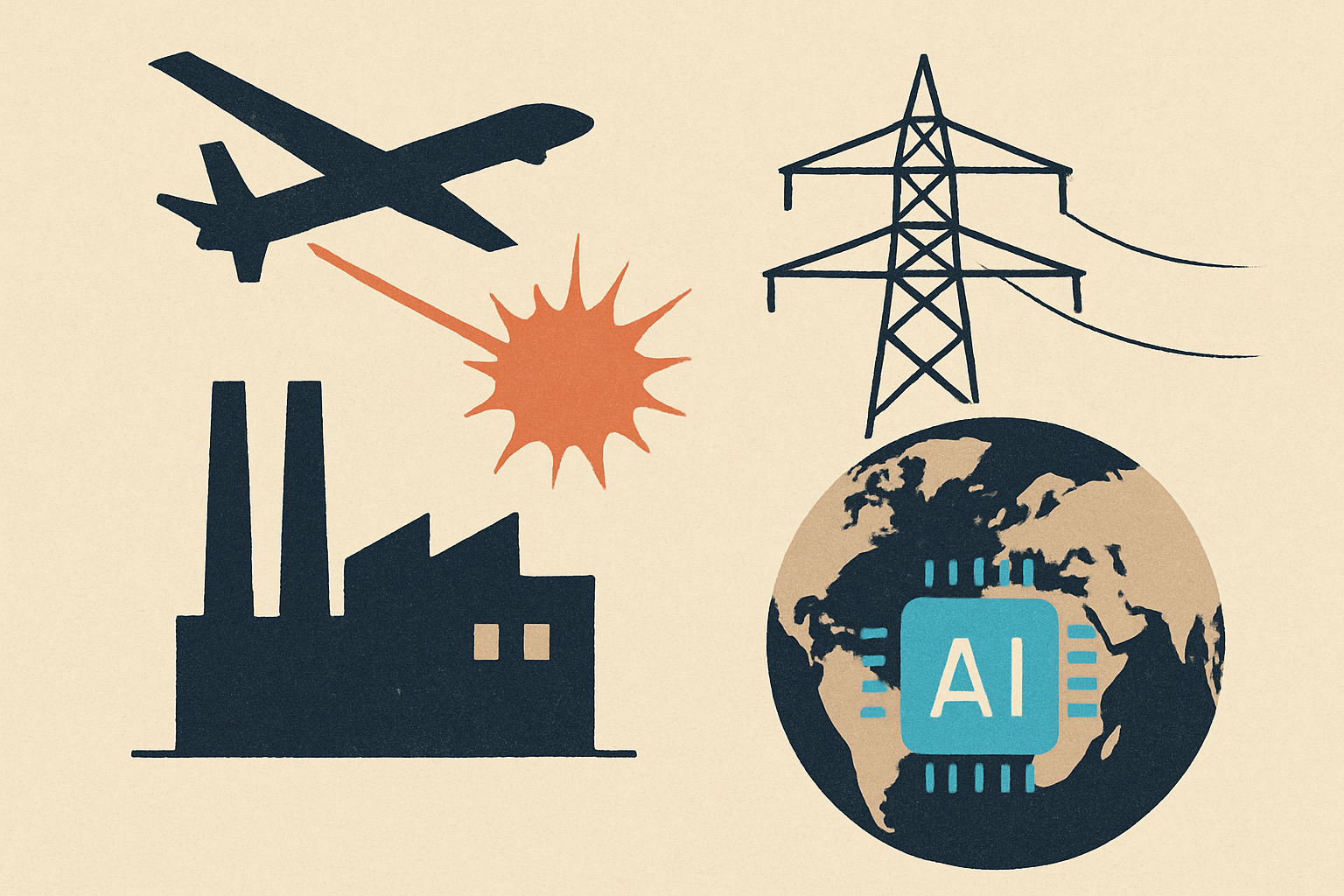
The world's infrastructure is increasingly caught between geopolitical conflict and technological disruption, creating new vulnerabilities for markets and governments alike. Lithuania has warned that Russia is planning attacks on critical infrastructure, while a major Russian petrochemical plant was already halted after a drone strike earlier this month. These physical threats to energy facilities come as oil prices surge following renewed US-Iran hostilities, with both sides striking energy targets in a dangerous escalation.
The infrastructure pressure isn't just coming from conflict zones. Texas is positioning itself as the next epicenter for AI-driven construction, with data centers demanding unprecedented power resources. Global power demand for data centers is estimated to reach 132 gigawatts this year, climbing to 290 gigawatts by 2030. This massive expansion creates its own infrastructure challenges, particularly around energy supply and grid capacity at a time when energy infrastructure is already under threat.
Political divisions are compounding these infrastructure risks. US Senate Democrats blocked a $1.15 trillion defense bill over objections to potential Iran war escalation, highlighting how domestic politics can constrain responses to international infrastructure threats. Meanwhile, Brazil is bracing for new US tariffs as Washington broadens its trade push, adding another layer of economic pressure to global supply chains.
The fiscal consequences are mounting. Russia's 2026 budget deficit may exceed plans by $12.85 billion due to higher defense spending, while Italy's parliament backed Meloni's contested electoral reform that could reshape the country's political landscape. Even resource extraction faces security challenges, with a China-backed copper mine in Pakistan threatening shutdown over worsening violence in Balochistan.
Wildfires raging across Europe and North America add another dimension of infrastructure stress, testing emergency response systems and power grids already strained by other pressures. The convergence of physical attacks, climate events, and massive technological expansion suggests infrastructure vulnerability will remain a key market concern for the foreseeable future.
Sources · 11
Morning Bid: Oil boils - Reuters
Reuters Business
Lithuania says Russia is planning attacks on infrastructure - Reuters
Reuters Business
China-backed copper mine threatens Pakistan shutdown over security risk
FT Companies
US Senate Democrats block $1.15 trillion defense bill over Iran war objections - Reuters
Reuters Business
Texas Poised To Become The Next Epicenter Of AI-Driven Builds
Bisnow
Brazil braces for new U.S. tariffs as Washington broadens trade push, sources say - Reuters
Reuters Business
Italy's parliament backs Meloni's contested electoral reform - Reuters
Reuters Business
Oil rises after US-Iran hostilities flare again with strikes on energy targets - Reuters
Reuters Business
NEWSLETTER: Wildfires rage across Europe and North America - Reuters
Reuters Business
Russia's 2026 budget deficit may exceed plans by $12.85 billion due to higher spending - Reuters
Reuters Business
Major Russian petrochemical plant halted on July 14 after drone attack, sources say - Reuters
Reuters Business
Matched signals
Lattice signals Numen pinned to this story at publish time.
No matched signals on this story.
Unlock the analytical widgets on every article — signal matches, Trends snapshots, X overlays, agent reasoning — with a Member account.
Upgrade →On X right now
Top engagement posts about this topic, ranked by likes + retweets + quotes.
No high-engagement X posts captured for this topic. Either the topic is too quiet or the upstream API was unavailable when this article published.
Unlock the analytical widgets on every article — signal matches, Trends snapshots, X overlays, agent reasoning — with a Member account.
Upgrade →Your read
How did this article land?
Three sliders. Optional comment. Anonymous is fine.
Open to anyone. One response per reader.