

New York bans algorithmic pricing as European carriers dodge billions in delay claims
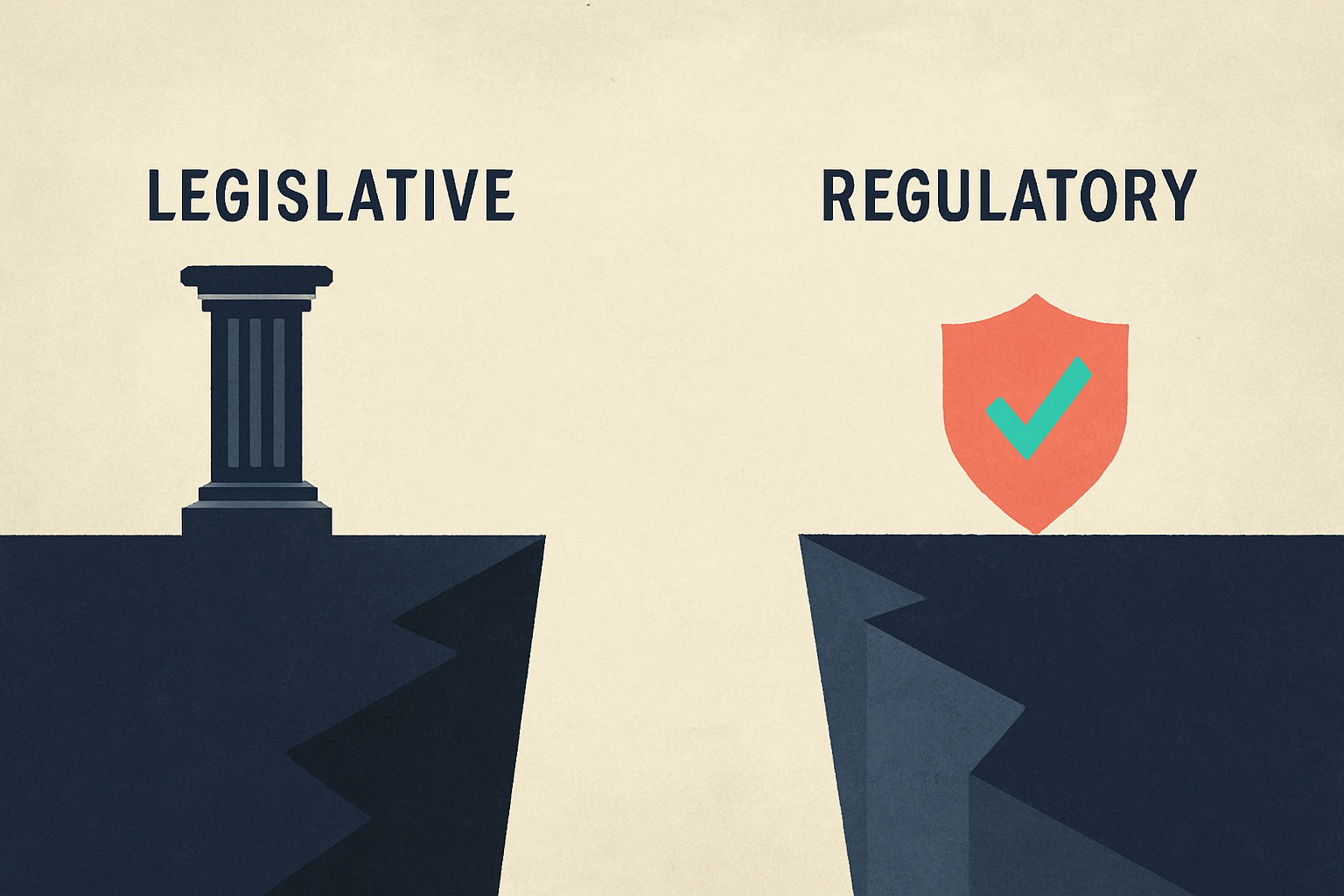
Two enforcement gaps—one legislative, one regulatory—show where consumer protection arrives fast and where it stalls for a decade.
New York has passed legislation banning companies from setting prices based on personal data. The bill targets algorithmic pricing models that adjust what a customer pays depending on browsing history, location, purchase patterns, or demographic inference. It is one of the first state-level moves in the U.S. to directly regulate personalized pricing, a practice that has grown quietly across e-commerce, travel booking, and subscription services.
The timing matters. Algorithmic pricing has been standard practice in airline ticketing and hotel booking for years, but its spread into grocery delivery, streaming bundles, and SaaS tools has been less visible and less contested. New York's move suggests that legislators are catching up to what compliance teams have known for months: that dynamic pricing based on user profiling sits in a legal gray zone that is narrowing.
At the same time, the Financial Times reports that European airlines are sitting on €3.2 billion in unpaid delay compensation. Since 2011, carriers have owed passengers roughly €18 billion under EU regulation 261/2004, which mandates payouts for significant delays and cancellations. The gap is not a mystery—airlines have systematically under-informed passengers of their rights, slow-walked claims, and settled only when third-party services or legal pressure forced the issue.
The contrast is structural. New York's pricing ban is proactive regulation in a market where harm is anticipated but not yet widespread. Europe's compensation shortfall is reactive enforcement in a market where the harm is documented, the rule is clear, and compliance is still optional in practice. One gap closes before it opens. The other has been open for over a decade.
For employers, the lesson is about leverage. Algorithmic pricing and claims evasion both rely on information asymmetry—the customer does not know what they were charged relative to the next person, or that they are owed €600 for a missed connection. The moment that asymmetry closes, the cost structure changes. New York is closing it by statute. Europe has closed it by regulation but left enforcement to individuals and third-party aggregators, which means the liability sits on the books but does not move the P&L.
Watch whether other states follow New York's lead, and whether European regulators shift from rule-writing to rule-enforcement. The first determines where pricing models can still run. The second determines whether accrued liabilities turn into actual cash out.
Sources · 2
European airlines sit on €3.2bn in unpaid delay compensation
FT Companies
New York passes bill banning prices based on personal data - Reuters
Reuters Business
Matched signals
Lattice signals Numen pinned to this story at publish time.
No matched signals on this story.
Unlock the analytical widgets on every article — signal matches, Trends snapshots, X overlays, agent reasoning — with a Member account.
Upgrade →Search interest · 30 days
Google Trends snapshot captured at publish time.
No Trends signal captured for algorithmic pricing ban. Either the term doesn’t generate enough search volume, or the upstream API was unavailable when this article published.
Unlock the analytical widgets on every article — signal matches, Trends snapshots, X overlays, agent reasoning — with a Member account.
Upgrade →On X right now
Top engagement posts about this topic, ranked by likes + retweets + quotes.
No high-engagement X posts captured for this topic. Either the topic is too quiet or the upstream API was unavailable when this article published.
Unlock the analytical widgets on every article — signal matches, Trends snapshots, X overlays, agent reasoning — with a Member account.
Upgrade →Your read
How did this article land?
Three sliders. Optional comment. Anonymous is fine.
Open to anyone. One response per reader.