

Oil shock, no job shock: the 1970s playbook breaks
New Fed research shows the Iran war's energy spike is pushing inflation higher without the expected employment collapse—forcing central banks to rethink stagflation math.
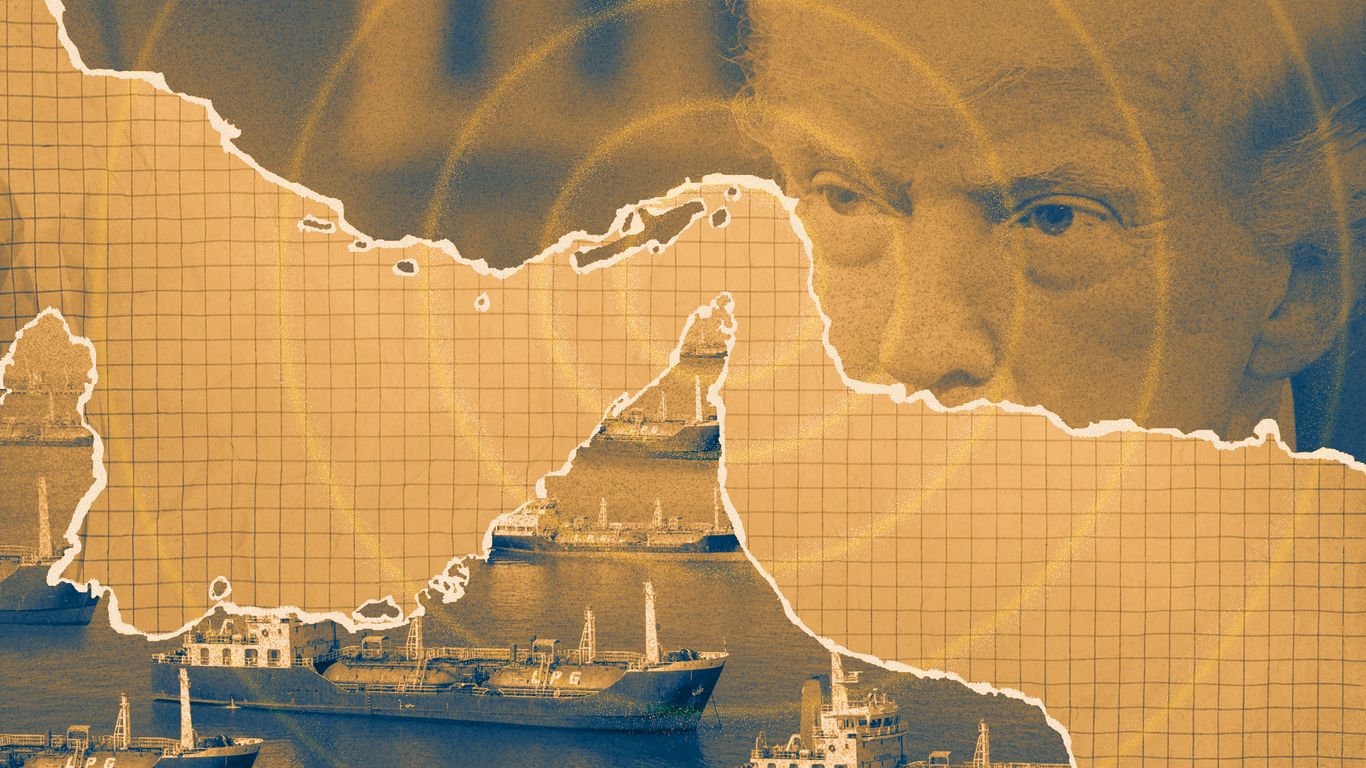
The 1970s taught markets that oil shocks meant twin disasters: inflation surged and jobs vanished. That playbook is breaking. New research from the Federal Reserve Bank of Boston finds that an energy disruption the size of what the Iran war has produced would push inflation materially higher while having far smaller effects on employment than the historical precedent would predict.
The implication is direct. If energy shocks no longer reliably crater labor markets, the central bank's problem shifts from managing stagflation risks to guarding against renewed price pressures in an economy that refuses to cool. Early signs of renewed labor market strength during the Iran conflict support the Fed's conclusion. The inflation costs remain, but the employment risks appear far smaller than they did 50 years ago.
Elsewhere, Macron's €110 billion AI infrastructure ambition is running into the constraint that matters most: local opposition and approval timelines. France's data centre build-out is testing whether European tech ambitions can survive the frictions of permitting and community resistance. Investors are signaling caution, according to the Financial Times.
On the geopolitical layer, Trump confirmed attendance at the July NATO summit in Turkey. Secretary of State Marco Rubio made the announcement, easing near-term concerns across alliance capitals after weeks of friction over reluctance to support US military actions in Iran. The summit timing sits inside the window when energy markets will either stabilize or reprice again.
Sources · 3
Trump will attend the NATO summit in Turkey in July, Marco Rubio says
marketaux:economictimes.indiatimes.com
France’s €110bn AI boom tests Macron’s tech ambitions
FT Companies
There are early signs of renewed labor market strength during Iran war
Axios Business
Matched signals
Lattice signals Numen pinned to this story at publish time.
Unlock the analytical widgets on every article — signal matches, Trends snapshots, X overlays, agent reasoning — with a Member account.
Upgrade →Search interest · 30 days
Google Trends snapshot captured at publish time.
No Trends signal captured for oil shock employment. Either the term doesn’t generate enough search volume, or the upstream API was unavailable when this article published.
Unlock the analytical widgets on every article — signal matches, Trends snapshots, X overlays, agent reasoning — with a Member account.
Upgrade →On X right now
Top engagement posts about this topic, ranked by likes + retweets + quotes.
Vital Knowledge Media @knowledge_vital
13 eng81dA 33% oil price shock (an estimate of the shock from the current United States–Iran conflict) would have been associated with a 1.8 percentage point reduction in national employment over the following year back in the 1970s; today’s effect is essentially nil - Boston Fed
View on X →Boston Fed @BostonFed
5 eng81d🧵: What’s the size of the oil price shock from the U.S.-Iran conflict, and what risks does it pose to inflation and national employment? A new Boston Fed study explores these questions: https://t.co/9PgoEwTIJ4 Here are the key findings:
View on X →Kyrylo Shevchenko @KShevchenkoReal
2 eng81d⚡️US oil production boom has sharply reduced the economy's vulnerability to energy shocks compared to the 1970s, according to a new Boston Fed study. A price shock similar to the Iran war era would now boost core PCE inflation by only ❗️1.5 percentage points over the next year https://t.co/MYPjWKtSbk
View on X →Emmanuel – Big Tech & AI Investor @EmmanuelInvest
2 eng82d🚨 RBA GOVERNOR BULLOCK: INFLATION IS STILL TOO HIGH 🇦🇺📊 The Reserve Bank of Australia is signaling patience, but not victory. 🏦 KEY COMMENTS 🔹 Rate hikes are starting to work 🔹 Full impact of higher rates will take 1–2 years to flow through the economy 🔹 Inflation
View on X →Michael Wilkerson @MW_Stormwall
1 eng81dThe dominant markets story in past 48 hours is interest rates. While the geopolitical picture is essentially unchanged (MOU unsigned, Hormuz near-zero flow, Iran "engaged with distrust" yet striking Kuwait's airport), labor data has moved the rate hike odds decisively. With so
View on X →
Unlock the analytical widgets on every article — signal matches, Trends snapshots, X overlays, agent reasoning — with a Member account.
Upgrade →Your read
How did this article land?
Three sliders. Optional comment. Anonymous is fine.
Open to anyone. One response per reader.